
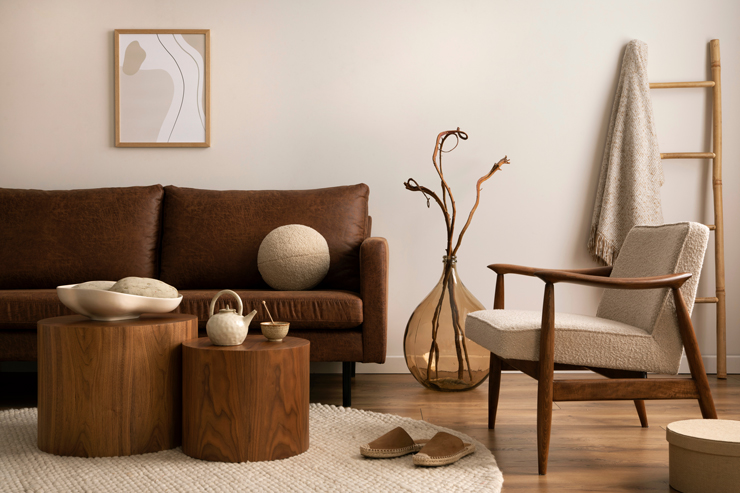
The newest interior design trends reflect a clear evolution in how we approach renovation and finishing. Walls are no longer treated as simple structural elements—they have become central design features. One of the most defining developments is the growing use of decorative panels, which add dimension, functionality, and architectural depth to interiors. Instead of flat, uniform surfaces, modern spaces embrace texture, layered materials, and thoughtfully integrated systems that enhance both aesthetics and performance.
1. Walls as Architectural Statements
The newest trends emphasize walls as focal points rather than background surfaces. Decorative panels—whether fluted wood, acoustic felt, composite boards, or 3D modular systems—are used to create visual rhythm and depth.
Vertical slats remain popular, but installations are becoming more experimental. Designers are combining materials, mixing matte and gloss finishes, and incorporating curved panel layouts. Floor-to-ceiling paneling is especially востребовано, as it visually heightens the room and adds a sense of luxury.
This movement reflects a broader desire for interiors that feel intentional and immersive rather than purely functional.
2. Warm Minimalism and Layered Neutrals
Minimalism is still present, but it has softened. The newest interiors favor warm neutrals over cold grays. Popular tones include:
Sand and beige
Soft taupe
Clay and terracotta
Olive green
Warm off-white
These colors create calm environments while allowing textures to stand out. Decorative panels in natural wood finishes pair especially well with this palette, introducing warmth without visual clutter.
Instead of stark contrasts, designers now prefer layered tonal compositions that make spaces feel cohesive and inviting.
3. Texture Over Pattern
Large, busy patterns are giving way to texture-driven design. Instead of bold prints, homeowners choose surfaces that enhance haptic perception — ribbed panels, limewash, and subtle reliefs that add depth and invite touch.
Examples include:
Fluted wall panels
Micro-cement finishes
Limewash walls
Fabric-covered acoustic systems
Texture provides depth while maintaining elegance. It allows interiors to feel sophisticated without overwhelming the eye.
4. Sustainability as a Core Principle
Environmental awareness strongly influences the newest renovation approaches. Sustainable materials are not just trendy—they are expected.
Common choices include:
Responsibly sourced wood panels
Recycled composite boards
Low-VOC paints
Cork wall coverings
Clay and mineral plasters
Beyond reducing environmental impact, these materials improve indoor air quality and overall comfort. Natural finishes also age beautifully, adding authenticity to the design.
5. Integrated Lighting and Smart Features
The newest interiors seamlessly integrate technology into finishing elements. Walls often incorporate hidden LED lighting that highlights panel textures and creates ambient depth.
Backlit decorative panels are increasingly used in living rooms and bedrooms, offering soft, diffused illumination. Smart systems are concealed behind wall structures, maintaining a clean visual appearance while enhancing functionality.
This subtle integration allows technology to support design without dominating it.
6. Acoustic Comfort in Everyday Living
With remote work and hybrid lifestyles becoming standard, acoustic control is now a priority in residential interiors. The newest trends incorporate sound-absorbing wall panels into home offices, living areas, and even hallways.
Acoustic decorative panels combine design and practicality. Felt slats, perforated wood panels, and textile-covered systems reduce echo while adding warmth and texture.
Comfort today includes not only visual harmony but also sound quality.
7. Organic Shapes and Soft Geometry
Another defining characteristic of the newest trends is the move toward organic forms. Straight, rigid lines are being softened with curves and rounded transitions.
Walls feature subtle arches, curved panel installations, and flowing geometric patterns. This shift introduces a more human-centered design language that feels calm and approachable.
Organic shapes create emotional comfort, which has become an essential goal of modern interior design.
8. Multi-Functional Design Solutions
Modern homes must adapt to multiple functions. Living rooms transform into workspaces, bedrooms include reading corners, and kitchens serve as social hubs.
Wall treatments help define zones without constructing physical barriers. Decorative panels can visually separate areas in open-plan layouts, while contrasting textures subtly signal functional changes.
This approach maintains openness while improving spatial organization.
9. Luxury Through Craftsmanship
Luxury today is subtle and detail-oriented. Instead of excessive ornamentation, the newest interiors emphasize craftsmanship, precision, and material authenticity.
Seamless panel installations, hidden joints, and high-quality finishes create a refined atmosphere. Floor-to-ceiling decorative paneling is often used to elevate otherwise simple spaces, giving them a boutique or hospitality-inspired feel.
True luxury is now defined by quality and thoughtful execution rather than decoration alone.
10. Long-Term Durability and Practicality
Homeowners increasingly value materials that combine beauty with durability. Scratch-resistant wall panels, moisture-resistant surfaces, and easy-clean finishes are becoming standard.
Rather than frequently updating interiors, people are investing in timeless materials that maintain their appearance over years of use. Decorative panels with protective coatings offer both style and resilience, making them suitable for high-traffic environments.
Stay in touch to get more updates & news on Touchcric!