
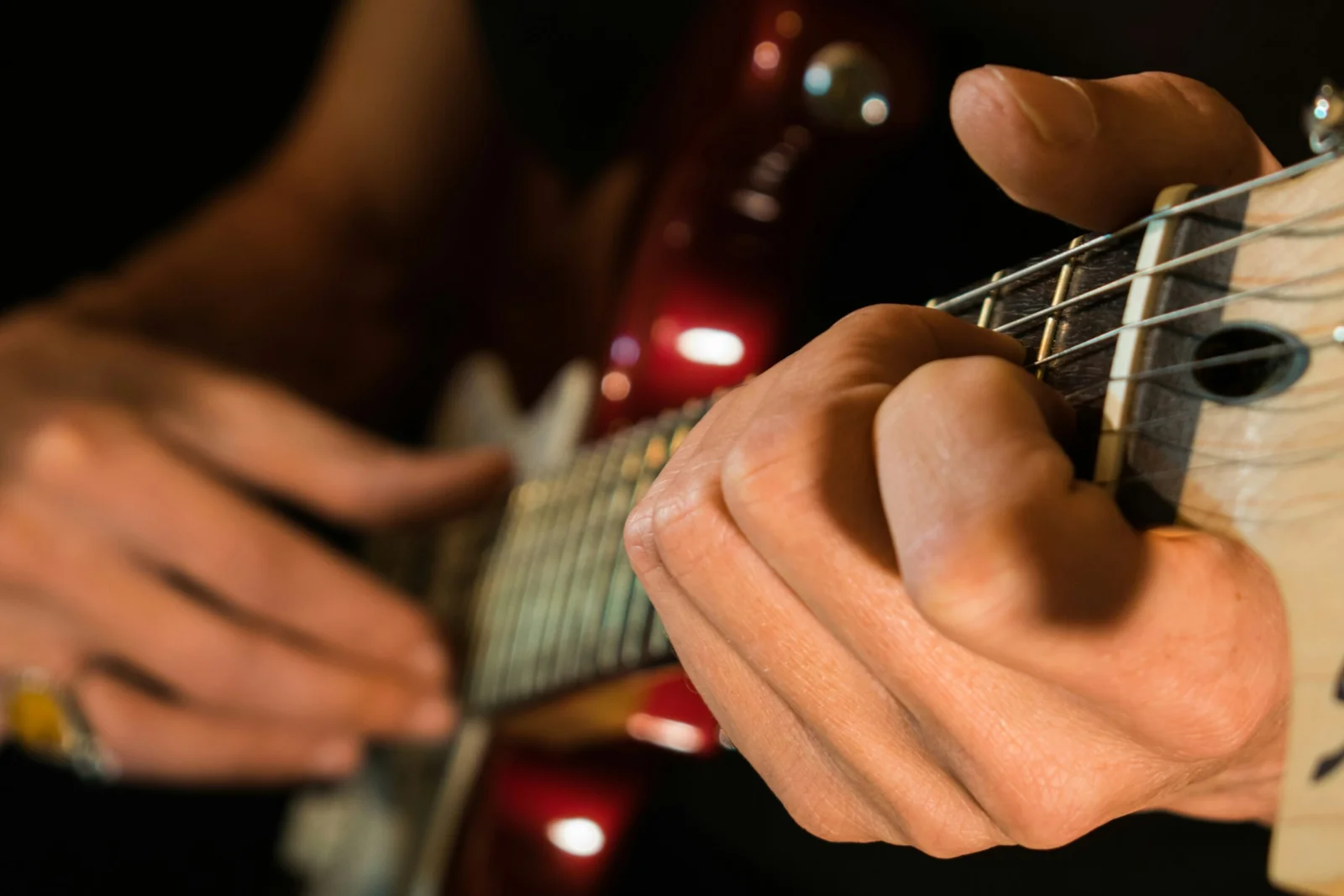
Hitaar is more than just a musical term. It is a soulful way of creating music where rhythm and melody blend together using fingerpicking, expressive strumming, and special tunings. When we play or listen to Hitaar, we do not just hear notes, we feel stories, moods, and memories inside the sound.
What Is Hitaar Really About
When we talk about Hitaar, we are not only talking about an instrument or a fixed style. We are talking about a musical language. Hitaar lives in the space between beat and tune, between structure and emotion. It is the moment when fingers move across strings and suddenly a simple pattern becomes a story.
In many traditions, Hitaar appears during personal moments rather than big stage performances. We see it in evening gatherings, small ceremonies, storytelling nights, or when someone sits alone and lets their heart guide their hands. This is why Hitaar feels honest. It is not about perfection. It is about expression.
How Hitaar Blends Rhythm and Melody
Most music styles separate rhythm and melody. One part keeps time while another sings the tune. Hitaar does something different. It combines both in one flowing motion. Our fingers are not only playing notes, they are creating the beat at the same time.
We use
- Fingerpicking to shape soft rhythms and emotional melodies
- Strumming to add power, energy, and movement
- Unique tunings to unlock sounds that normal tuning cannot offer
With these techniques, one instrument feels like many. We can hear a bass line, a melody, and a rhythm pattern all at once.
The Emotional Power Behind Hitaar
What makes Hitaar special is how it connects to feelings. We are not forced into strict rules. Instead, we let emotion decide how we play.When we are happy, Hitaar becomes playful and bright. When we feel calm, it flows slowly and gently. When we feel heavy inside, the strings carry that weight and turn it into sound.This is why people say Hitaar heals. It gives us a way to speak when words are not enough.
Hitaar in Cultural Traditions
Across different cultures, Hitaar appears in quiet rituals and personal celebrations. We find it during family gatherings, in folk storytelling sessions, and in spiritual moments when people seek peace.
In ceremonies, Hitaar often represents openness and unity. When the strings begin to move, people listen closely. Not because the music is loud, but because it feels real.
The Role of Fingerpicking in Hitaar
Fingerpicking is the heart of Hitaar. Instead of using a pick, we use our fingers to control each string. This gives us freedom to create many layers at the same time.
Our thumb might carry the rhythm while the other fingers dance around with melody. This creates a rich texture that feels alive. No two performances ever sound the same, because our hands never feel the same twice.
Strumming That Tells a Story
Strumming in Hitaar is not about speed or power only. It is about intention. A soft downward stroke can feel like a whisper. A strong upward motion can feel like a cry for joy.We use strumming to shape the mood of the piece. Slow and open strums feel peaceful. Fast and tight strums bring excitement.
Unique Tunings and Why They Matter
One of the most exciting parts of Hitaar is using special tunings. We change the pitch of strings to create fresh sounds that standard tuning cannot produce.
These tunings allow us to discover hidden emotions inside the instrument. Sometimes a single chord suddenly feels deeper, wider, or warmer just because we tuned one string differently.
We do not follow rules here. We experiment until the sound feels right.
Hitaar as a Form of Storytelling
Every Hitaar piece is a story. We may not use words, but the music speaks clearly.A slow opening can feel like the beginning of a journey.A rising pattern may show hope or excitement. A soft ending can feel like acceptance or peace.When we play Hitaar, we are not performing. We are sharing our inner world.
Learning Hitaar the Natural Way
We do not learn Hitaar from strict books or complex theory. We learn by listening, feeling, and practicing slowly.We start with simple patterns. One rhythm. One melody. Then we blend them. Over time, our hands begin to move naturally.The best advice is to stay patient. Hitaar is not rushed. It grows with us.
Hitaar in Modern Music
Today, we see Hitaar inspiring many modern musicians. They mix traditional finger styles with new sounds, creating fresh genres.Even in digital music, the spirit of Hitaar lives on. Producers try to recreate that emotional depth with software, but nothing truly replaces the feeling of real fingers on real strings.
Why Hitaar Feels So Personal
Hitaar is personal because it reflects our mood. If we are stressed, the sound changes. If we are peaceful, the music flows smoothly.This is why no two players sound the same. Our emotions shape our music more than any technique.
Hitaar and Connection
When we play Hitaar for others, something special happens. People become quiet. Not because they are told to, but because the sound invites them in.It builds connection without conversation. We share space, emotion, and time through sound.
Hitaar for Beginners
If we are just starting, we should not worry about perfection. We begin with basic finger movements and simple strums.We let mistakes happen. They are part of the journey. With time, our hands learn to trust our heart.
The Healing Side of Hitaar
Many people turn to Hitaar when life feels heavy. Playing even simple patterns can calm the mind. It gives us a break from noise, screens, and stress.We breathe slower. Our thoughts slow down. The strings become our therapy.
Hitaar in Solo Moments
Some of the most powerful Hitaar moments happen when we are alone. Late at night, sitting quietly, letting fingers wander across the strings.These moments are not about showing off. They are about understanding ourselves.
Keeping the Spirit of Hitaar Alive
To keep Hitaar alive, we must protect its simplicity. We must remember that it is not about fame or followers. It is about honesty in sound.We pass it on by sharing, teaching gently, and playing from the heart.
Final Thoughts on Hitaar
Hitaar is not just music. It is a feeling, a conversation, a form of expression that belongs to everyone who listens and plays with sincerity.
When rhythm and melody meet through fingerpicking, strumming, and creative tuning, something magical happens. We are no longer just making sounds. We are creating moments, memories, and meaning.This is the true beauty of Hitaar.